If you love clean lines, natural light, and a daily backdrop of the Hill Country, Northwest Hills may be the Austin address you keep coming back to. You want a home that looks and lives beautifully, with views that lift your routine and a location that keeps your days efficient. This guide gives you a clear picture of the architecture, views, schools, and daily rhythms that define Northwest Hills, plus practical steps for buying or selling well. Let’s dive in.
Architecture at a glance
Northwest Hills blends mid-century roots with later suburban builds and contemporary infill. Many homes sit higher than central Austin, so designs often aim to capture light and distant vistas.
Mid-century and post‑war foundations
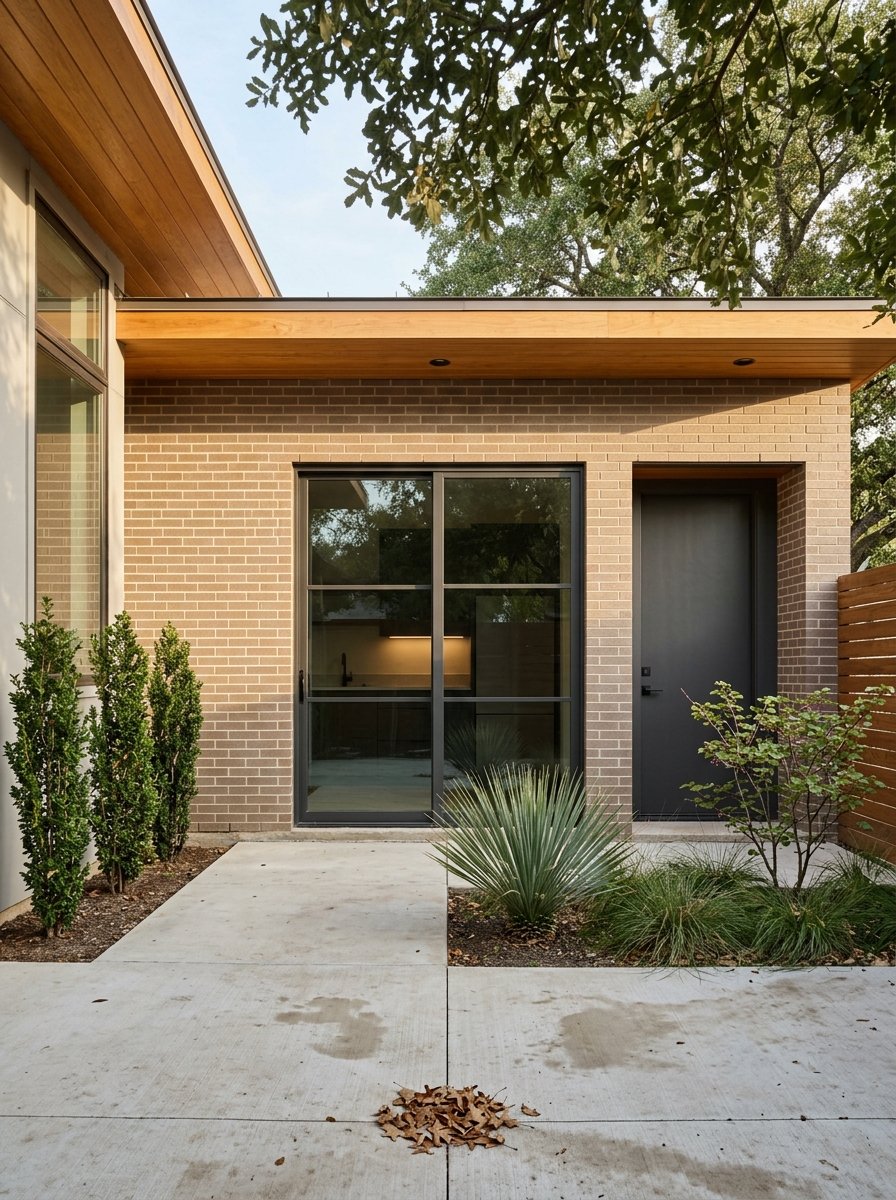
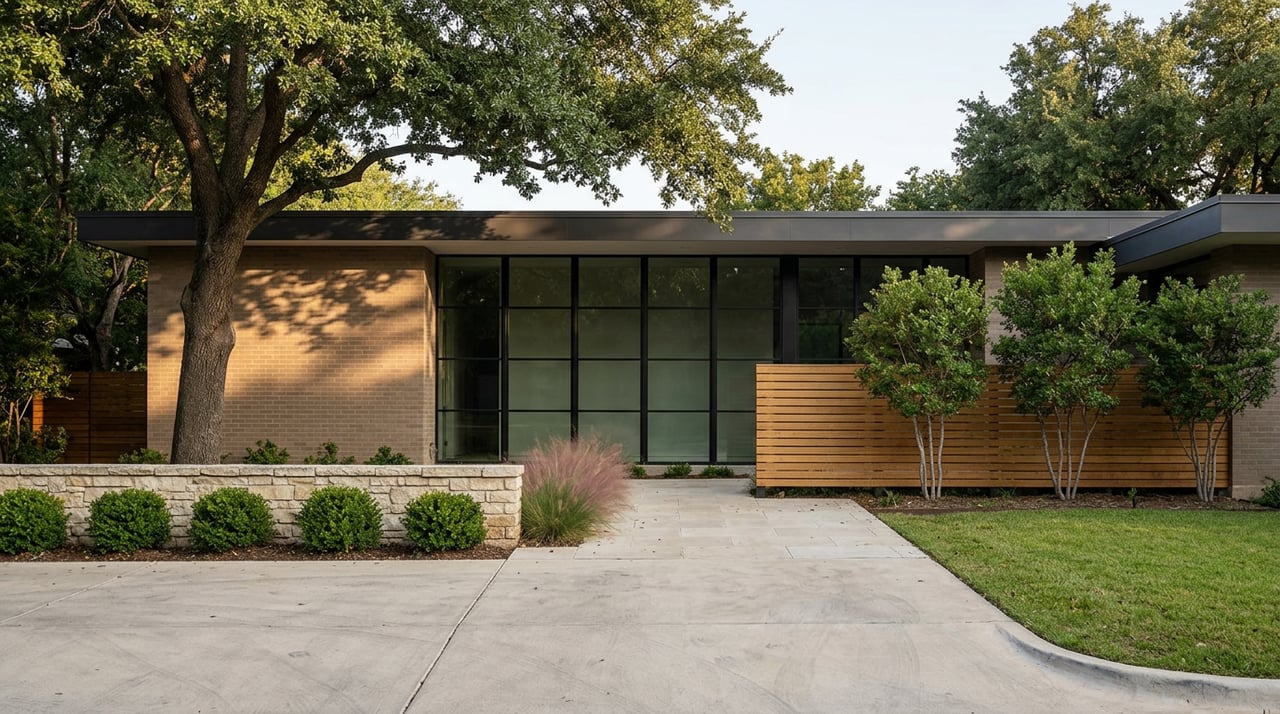
From the 1950s through the 1970s, builders favored single-story ranches, split-levels, and mid-century modern influences. You will see low, horizontal rooflines, large windows, and plans that integrate the house with the landscape. These originals often sit on larger, deeper lots than later builds, which appeals to buyers who want space and privacy.
1980s–2000s evolution
Later homes tend to be larger and more traditional, with Hill Country elements like limestone accents and stucco. Interiors often feature higher ceilings than earlier eras, and footprints may prioritize more bedrooms or flexible living areas suited to growing households.
Contemporary infill and renovations
Redeveloped lots and new-builds often go vertical to maximize livable square footage and views. Expect multi-story designs, expansive glazing, and deck systems that cantilever toward vistas. Renovations of mid-century homes frequently open floor plans, update kitchens, and replace smaller windows with larger picture panes to pull in light and scenery.
Lots and patterns
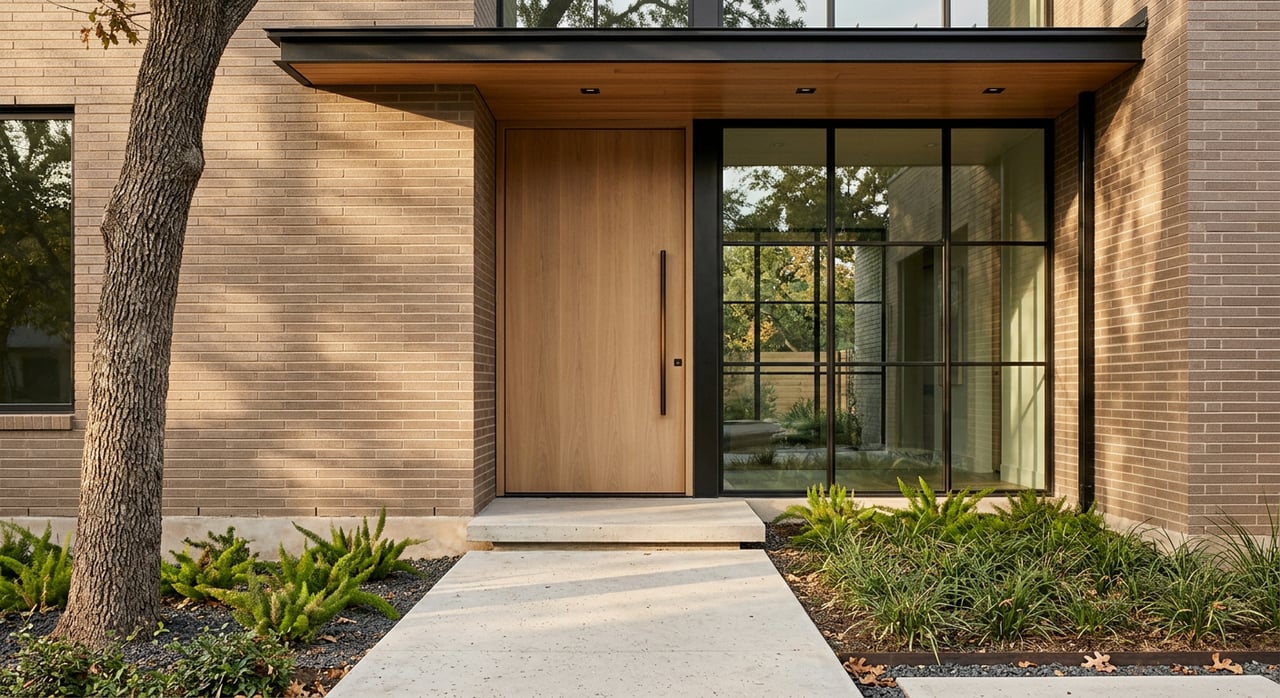
Older parcels are commonly larger, while newer infill may subdivide land, leading to smaller yards and taller homes. Rooflines vary from low-slope mid-century forms to flat or varied profiles on contemporary builds. Materials like local limestone, stucco, cedar, and metal roofing accents are common across eras.
Views, topography, and what to know
Northwest Hills sits at higher elevation than many central neighborhoods, which means long Hill Country and occasional skyline views are possible. The specifics depend on the lot, trees, and adjacent development.
View lines and tree canopy
View corridors can change with the seasons. Leaf-on months may soften or screen long views, while leaf-off months open them back up. Some properties trade wide views for deep privacy under a mature canopy. If a view matters to you, confirm it in different seasons and at different times of day.
Slopes, drainage, and foundations
Hilly settings come with grading, retaining walls, and terracing. Older homes may have pier-and-beam or slab-on-grade foundations, and each warrants careful inspection on a slope. Drainage planning is essential to protect structures and neighboring properties. Erosion control and runoff management are common topics during remodels and new construction.
Permits, trees, and inspections
Austin’s tree protection rules can influence site planning, landscape design, and any view-related work. Large oaks are an asset but may be regulated. Before major additions or a new build, many buyers commission geotechnical reports and structural reviews to understand soil and foundation conditions. For city guidance on permits and tree rules, consult the City of Austin Development Services. If you are exploring park access and trail maps near a specific address, refer to Austin Parks and Recreation.
Daily life and getting around
Northwest Hills functions as a residential enclave with quick car access to key corridors. Your exact commute will vary by address and schedule.
Commute and arterials
Most residents drive. Main routes include Loop 1 (Mopac), US 183, and the RM 2222 and Anderson Lane corridors. These links offer routes to downtown, The Domain, and research and tech hubs in north Austin. Travel times shift with peak-hour patterns, so test your route during your typical commute.
Transit, biking, and walking
Capital Metro operates bus service in many parts of Austin, including express and park-and-ride options where available. Service frequency and directness vary by route, so check the Capital Metro route map for your address. Hilly topography supports recreational cycling and scenic walks, though it can limit daily bike commuting for some.
Parks and outdoor options
You will find neighborhood parks, nearby greenbelts, and trailheads that make it easy to sneak in a dog walk or weekend hike. Local tree canopy cools streets and creates shaded pockets for short errands. For current maps and facility details, use Austin Parks and Recreation.
Retail, dining, and conveniences
Expect a mix of local retail, grocery options, and quick drives to larger commercial corridors. Proximity to central Austin and north-side nodes like The Domain influences your dining and nightlife choices. Confirm exact drive times from your prospective address.
Schools and enrollment basics
Most addresses in this area are assigned to Austin Independent School District. Attendance zones can change and vary block by block, so always verify. For district information and attendance boundaries, visit Austin ISD’s website. Private and charter options exist in the broader north and central Austin area. Use neutral, address-specific verification when schools are a priority for your move.
Value drivers and appraisal notes
Lot orientation and the quality of a view influence value. Appraisers consider usable yard area, slope, and whether a view is partial, seasonal, or more permanent. Mid-century homes in good condition, larger lots, and decks or window systems that frame vistas often command premiums. Conversely, heavily treed lots without views may attract buyers seeking privacy, which can shape pricing differently.
Comparable sales selection is nuanced in hilly neighborhoods. Year built, degree of renovation, and the presence or absence of outdoor living that captures views all matter. Expect micro-location differences to play a large role.
Buyer checklist for hillside homes
Use this list to focus your due diligence and budget planning:
- Inspect foundations, retaining walls, and structural elements with hillside experience.
- Evaluate site drainage, past erosion control, and any recorded drainage agreements.
- Order a geotechnical report if you plan major additions or a new build.
- Verify utilities capacity and easements through county records and seller disclosures.
- Assess roof, deck, and window condition, especially on view-facing elevations.
- Confirm tree health and any permits needed for pruning or removal.
- Check zoning, compatibility standards, setbacks, and impervious cover limits with the City of Austin Development Services before planning additions or rebuilds.
Seller preparation in Northwest Hills
Preparation that anticipates buyer questions can speed up your sale and support pricing:
- Assemble documentation of structural, roof, HVAC, and drainage work, plus any geotechnical or engineering reports.
- Commission pre-listing inspections for foundation and roof to reduce surprises.
- Provide a recent survey that clarifies lot lines, improvements, and any easements.
- Capture photography of your views in different seasons and at different times of day.
- Outline landscape and tree stewardship, noting permitted removals and mitigation where applicable.
- Stage decks, patios, and large windows to highlight how the home lives with light and views.
Permits, trees, and environmental overlays
Before you remodel or rebuild, confirm rules that may shape scope and timeline:
- Tree protection: Large canopy trees may require permits for removal or significant pruning. Coordinate early with an arborist and the city.
- Compatibility standards and setbacks: These can affect height, massing, and how close you can build to neighbors.
- Impervious cover limits: These govern how much of the lot can be covered by hard surfaces.
- Environmental overlays: Some Austin areas include critical environmental features that trigger added review.
For current codes, overlays, and permitting steps, consult the City of Austin Development Services. For parkland and trail access around a specific address, see Austin Parks and Recreation.
How Lander Peerman elevates your outcome
Design-minded buyers and sellers in Northwest Hills benefit from guidance that blends architecture insight with practical execution. Our team pairs a design-first eye with development fluency to help you evaluate view lines, structural conditions, and the feasibility of renovations or infill.
For sellers, we curate a presentation strategy that highlights light, landscape, and livability. Where strategic improvements will drive price, we can leverage Compass Concierge to front certain costs, then market your home with premium visuals that showcase views and indoor-outdoor flow. For buyers, we coordinate inspections, connect you with engineers and arborists when needed, and pressure-test remodel plans against city standards.
If Northwest Hills is on your list, we would love to be your trusted advisor from first tour to final signature. Connect with Lander Peerman to plan your next move.
FAQs
Is Northwest Hills a good fit for mid-century architecture?
- The neighborhood includes many 1950s–1970s homes with mid-century influences, plus renovated examples and modern infill that appeal to design-focused buyers.
How do views and trees trade off in Northwest Hills?
- Views can be seasonal and depend on tree cover; buyers weigh privacy against long vistas, and tree work may require permits through the City of Austin.
What commute routes serve Northwest Hills?
- Most residents drive using Loop 1 (Mopac), US 183, and RM 2222/Anderson Lane to reach downtown or north-side job centers.
What transit options should I check before buying?
- Verify bus service and express options for your exact address using the Capital Metro route map, since frequency and directness vary.
What inspections matter most for hillside homes in Austin?
- Prioritize foundation and structural reviews, drainage and retaining walls, roof and decks, tree health, and geotechnical studies for major additions or new-builds.
How should sellers prepare a view home for market?
- Document structural and drainage work, stage outdoor living areas, capture photos of views across seasons, and consider pre-list inspections and a current survey.
Where can I verify schools and attendance boundaries?
- Use the Austin ISD website to confirm current attendance zones for a specific property.