Looking at homes in Bouldin Creek can feel exciting and a little confusing at the same time. On one block, you may see a porch-front bungalow tucked under mature trees, and on the next, a taller modern home with big panes of glass and a more vertical profile. If you want to understand what you are really buying in this part of Austin, this guide will help you read the neighborhood’s housing styles, lot patterns, and buyer tradeoffs with more confidence. Let’s dive in.
Why Bouldin Creek Has Mixed Styles
Bouldin Creek is not a single-era subdivision with one uniform look. According to the City of Austin, it is a mature urban neighborhood where homes were built individually over time in many styles and materials, often with simple shapes, landscaped lots, and narrow, unobtrusive driveways. The city also notes that it was one of Austin’s first suburbs, which helps explain why the housing stock feels layered rather than planned all at once.
The neighborhood’s historic growth adds even more context. The Bouldin Creek historic survey ties a major building boom to the 1910 Congress Avenue bridge and streetcar improvements, which made commuting to downtown easier and spurred heavy development in the 1920s and 1930s. That pattern, combined with later infill and redevelopment, created the mix of bungalows, period homes, ranch-style properties, and contemporary construction you see today.
What Buyers Usually See
If you are touring homes in Bouldin Creek, you are most likely to notice a contrast between older, lower-slung homes and newer, taller infill. In simple terms, older houses often emphasize porches and rooflines, while newer homes tend to emphasize height, glass, and a more compact footprint.
That mix is part of the neighborhood’s identity. The City of Austin neighborhood planning materials describe a residential core with established trees and a strong single-family character, while the edges near commercial corridors can feel more urban. For you as a buyer, that means style and setting often go hand in hand.
Craftsman Bungalows: The Classic Look
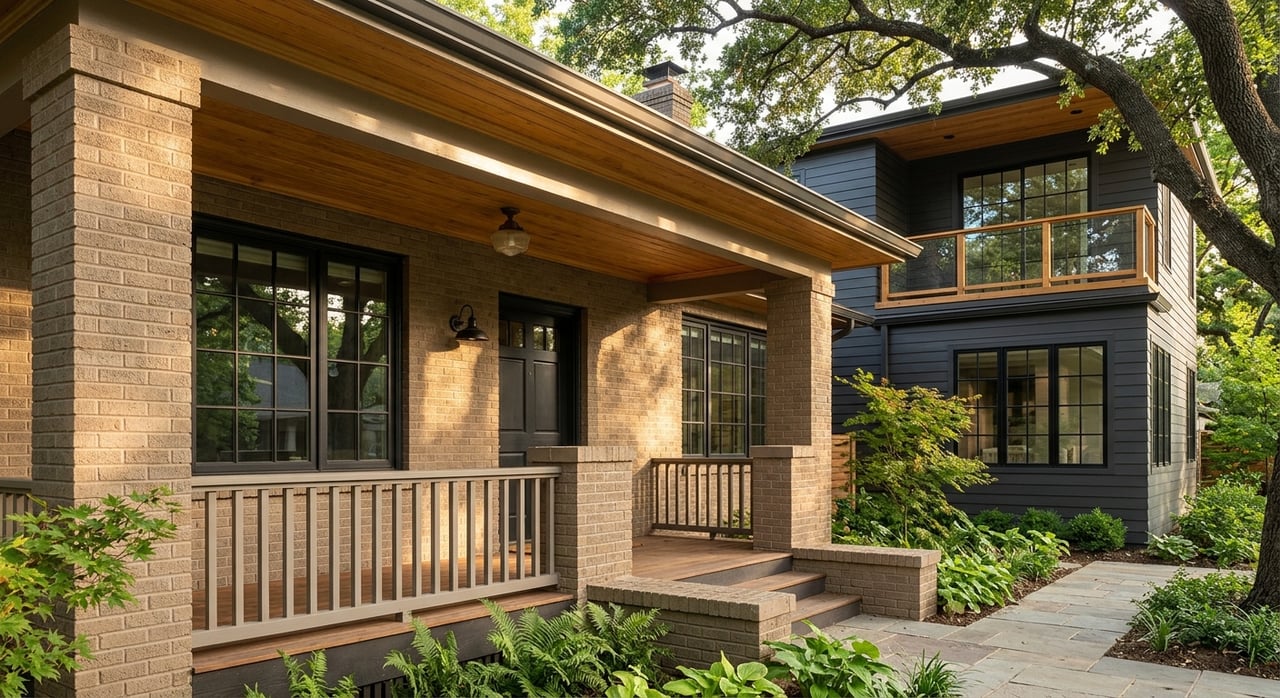
The bungalow is the single greatest house type identified in the neighborhood survey area, and Craftsman is the largest architectural style. These homes are generally small, one-story frame houses with a broad roof, horizontal profile, and a front porch that plays a major visual role.
If you are drawn to homes with a human-scale feel, this is often the style that delivers it best. Craftsman bungalows usually sit low on the lot, feel connected to the street, and show simple massing with wood detailing. In Bouldin Creek, they represent the clearest expression of the neighborhood’s early residential character.
What to notice in a bungalow
When you tour a bungalow, pay attention to:
- Front porch size and usability
- Roofline shape and overhangs
- Original wood details and trim
- How the home sits on the lot
- Driveway placement and visual impact
Because many of these homes date to the late 1910s through the 1930s, they can offer strong character but also a different ownership profile than newer construction. Older frame homes with porches and period details may require more thoughtful upkeep and renovation planning over time.
Tudor and Rustic Homes: More Period Character
Bouldin Creek is not all bungalows. The historic survey also identifies Tudor Revival homes, along with Rustic and early Ranch examples, especially in areas developed through the 1930s and 1940s.
Tudor Revival homes in the neighborhood are typically one-story brick or stone-veneered houses with steep front gables and much smaller porches. In many cases, the entry is more of a stoop or arched opening than a true porch. If you like period character but want a different visual language than a classic Craftsman, these homes often stand out.
Rustic and early Ranch homes bring another variation. The survey describes them as one-story houses with natural stone veneer, wood architectural details, and wrought-iron hardware. These homes can feel grounded and textured, with a material palette that is distinct from both wood-frame bungalows and sleek contemporary infill.
Ranch and Minimal Traditional Homes
After World War II, builders filled remaining lots with postwar Ranch and Minimal Traditional homes, especially from the late 1940s through the early 1960s. These properties are part of the neighborhood story too, even if they do not get as much attention in style conversations.
For some buyers, these homes can offer a simpler footprint and a more understated presence on the street. They may also appeal to people who want a one-story layout without the same level of period detailing found in earlier homes.
Modern Infill: Taller, Newer, More Vertical
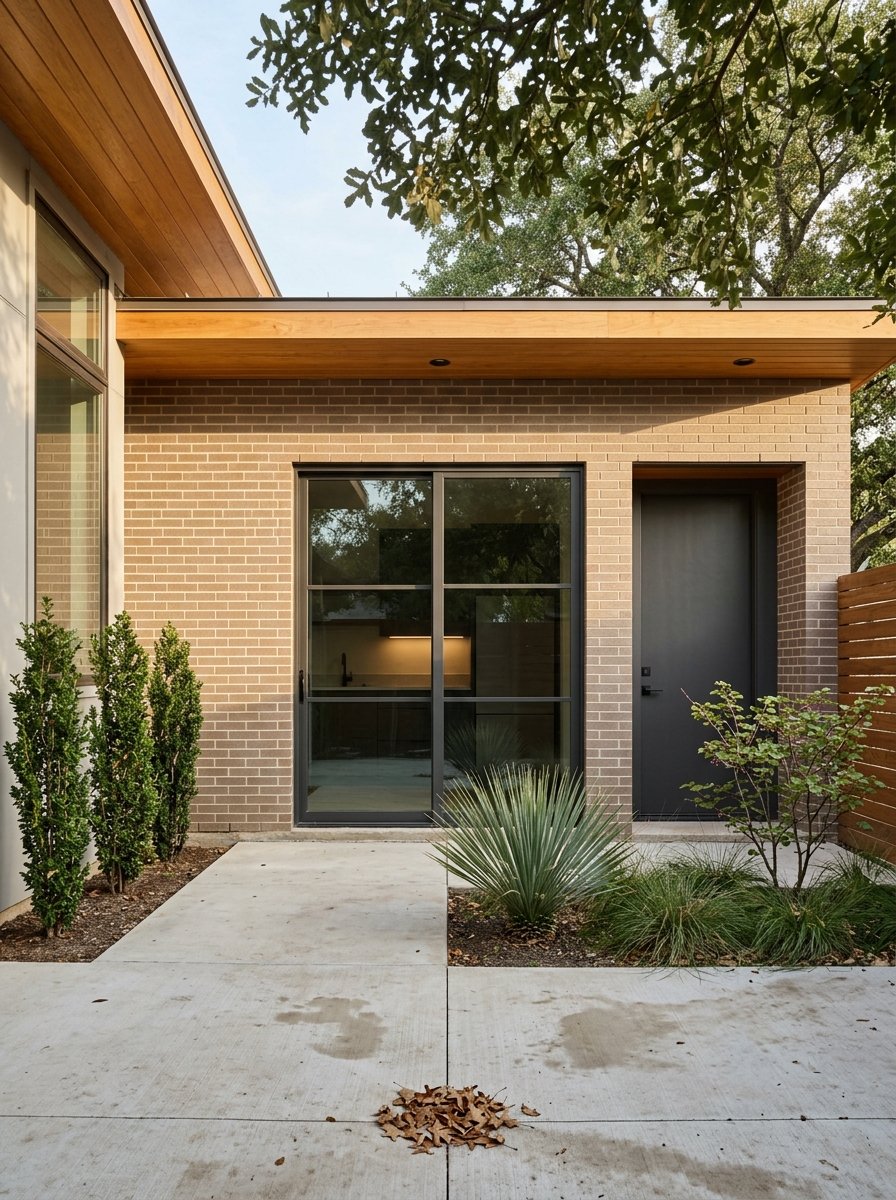
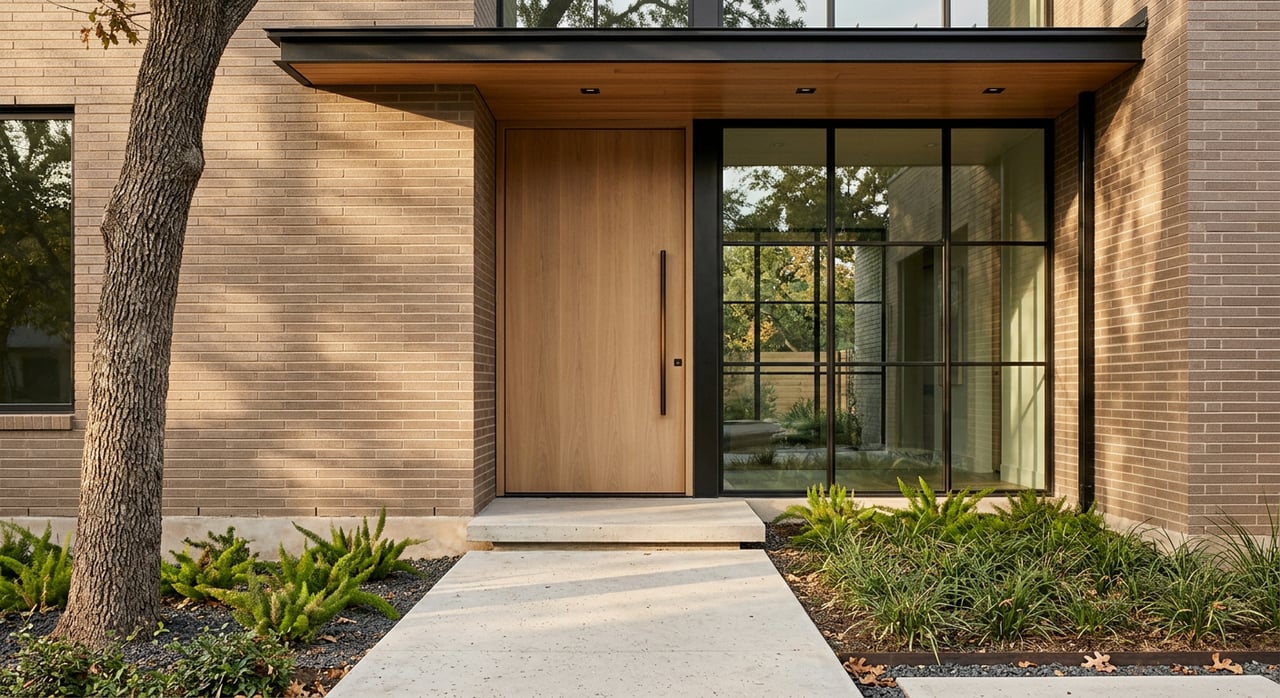
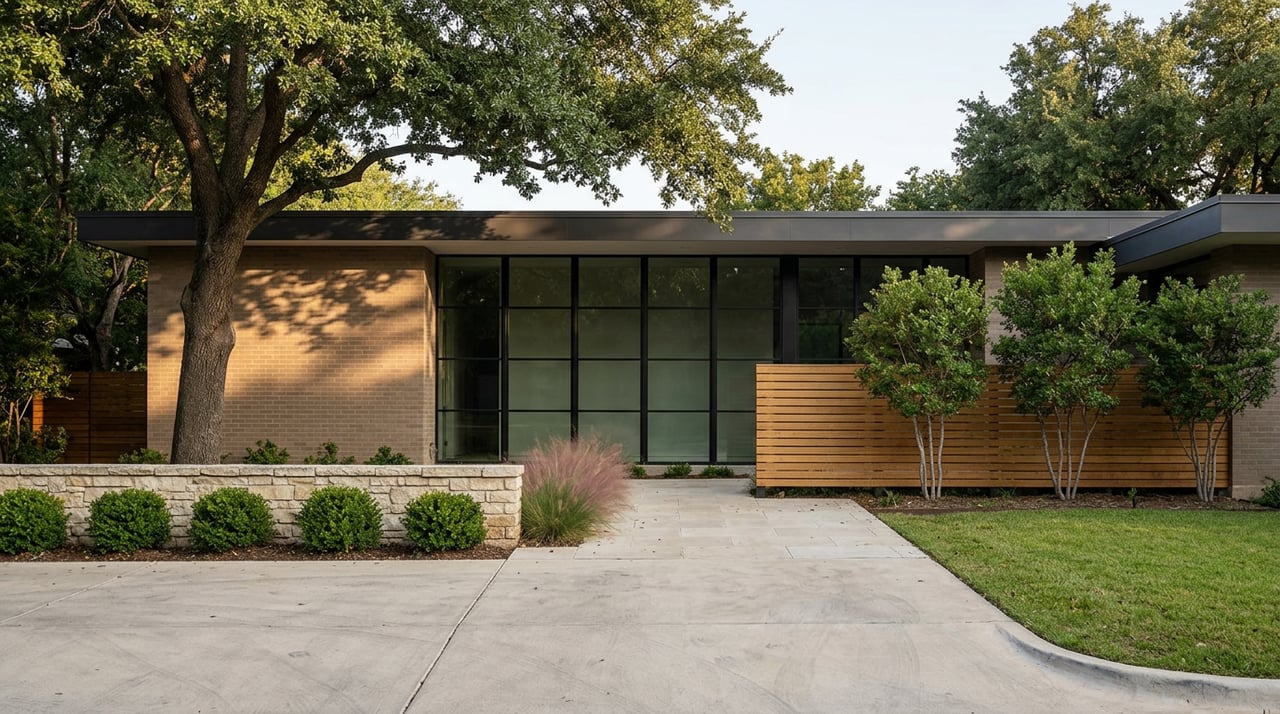
From the late 1990s forward, contemporary or “Metro” houses became the predominant form of new residential construction in the survey area. These homes are usually two stories and often feature flat or slanted roofs, large fixed windows, expansive stucco or wood siding, and metal and glass elements. Many have little or no front porch.
For buyers who prioritize newer construction, larger interior volume, and a more modern aesthetic, these homes can be a strong fit. They often deliver a different day-to-day experience than older homes, with more vertical space and a more design-forward exterior language.
What to notice in a modern home
As you compare newer infill options, look closely at:
- Roof form, especially flat or low-slope designs
- Amount of exterior glass
- Privacy from the street and adjacent homes
- How parking and garage access affect the facade
- Whether the house feels integrated with the lot or dominant on it
In Bouldin Creek, modern homes often create a different street presence than older homes. They may offer newer materials and systems, but they also change how the house meets the street and how the lot reads from the sidewalk.
Why Lot Configuration Matters
In Bouldin Creek, square footage is only part of the story. The city’s design guidelines place strong emphasis on preserving landscaped front yards, orienting homes to the street, and keeping garages, carports, and secondary structures compatible with neighborhood character.
The same city planning document specifically addresses building height, footprint, roofs, porches, setbacks, materials, driveway design, parking location, trees, fences, lighting, and service areas. In 2017, the city also adopted an area-wide garage placement design tool for certain residential uses in the Bouldin Creek planning area, which shows how important site layout is here.
What that means for you
When you evaluate a home, ask yourself:
- Does the driveway feel narrow and unobtrusive, or does it dominate the front yard?
- Is the garage tucked back, minimized, or front-facing?
- Does the house engage the street with a porch, entry, or windows?
- How much of the lot is landscaped versus paved?
- Does the building feel aligned with the surrounding block pattern?
In a neighborhood like Bouldin Creek, the lot and the house work together. A home can have beautiful interiors, but the layout, setbacks, and parking arrangement still shape how it feels to live there and how it presents over time.
Block Feel Can Change Quickly
One reason buyers sometimes struggle to compare homes in Bouldin Creek is that the neighborhood does not read the same from block to block. The city describes commercial activity as largely perimeter-based, with South Congress functioning as the busiest retail strip and South First showing a more mixed pattern of structures, driveways, and parking lots.
That edge-to-core contrast matters. A home near a busier corridor may feel more urban, while a home deeper in the residential interior may feel more quiet and porch-oriented. Neither is automatically better. It depends on how you want to live and what kind of street environment fits your priorities.
Price Often Reflects More Than Size
Recent market snapshots place Bouldin Creek in a premium price tier, even though pricing varies by source and methodology. Redfin’s market snapshot reported a February 2026 median sale price of $887,500, median price per square foot of $611, and 102 days on market. The research also notes other market snapshots with different figures, reinforcing that homes here are highly product-specific.
That variation makes sense in a neighborhood with this much style diversity. Condition, lot size, architectural appeal, and whether a home is historic or newly built can all affect pricing in a meaningful way. In Bouldin Creek, it is often more useful to compare like-with-like than to rely on one average number.
How to Choose the Right Style
The best fit usually comes down to how you want your home to live, not just how you want it to look in photos.
If you want charm, a strong connection to the street, and a porch-forward feel, a bungalow or Craftsman may be the right match. If you prefer brick, stone, and a stronger period expression with less porch emphasis, Tudor Revival or Rustic homes may stand out.
If your focus is newer construction, more interior volume, and modern detailing, contemporary infill may offer what you need. And if you value a simpler one-story layout, postwar Ranch or Minimal Traditional homes may deserve a closer look than buyers initially expect.
A Smart Buyer Approach in Bouldin Creek
In a neighborhood this layered, a style guide is really a decision-making tool. It helps you move beyond “old versus new” and focus on how architecture, lot layout, and block context affect your experience of the home.
A design-minded purchase in Bouldin Creek usually comes down to a few core questions: how the home sits on the lot, how much character you want, what maintenance profile feels comfortable, and whether you prefer a lower, porch-oriented streetscape or a taller, more modern one. If you want help evaluating those details with both design perspective and local market context, Lander Peerman offers a private, highly tailored approach to buying in Central Austin.
FAQs
What home styles are most common in Bouldin Creek?
- The neighborhood survey identifies bungalows as the most common house type in the survey area, with Craftsman as the largest architectural style.
How are Bouldin Creek modern homes different from older bungalows?
- Older bungalows are generally lower, wider, and porch-oriented, while newer contemporary homes are often taller, more vertical, and defined by large windows, flat or slanted roofs, and little or no front porch.
Why does lot layout matter when buying in Bouldin Creek?
- City design guidance emphasizes landscaped front yards, street-facing orientation, narrow driveways, compatible garage placement, and setbacks, so the way a house sits on the lot can shape both value and day-to-day livability.
Are there styles in Bouldin Creek besides bungalows and modern infill?
- Yes, buyers may also see Tudor Revival, Rustic, early Ranch, postwar Ranch, and Minimal Traditional homes throughout the neighborhood.
Is Bouldin Creek considered a premium Austin market?
- Recent market snapshots cited in the research place Bouldin Creek in a premium price tier, though pricing can vary widely based on style, condition, lot size, and whether a home is historic or newly built.