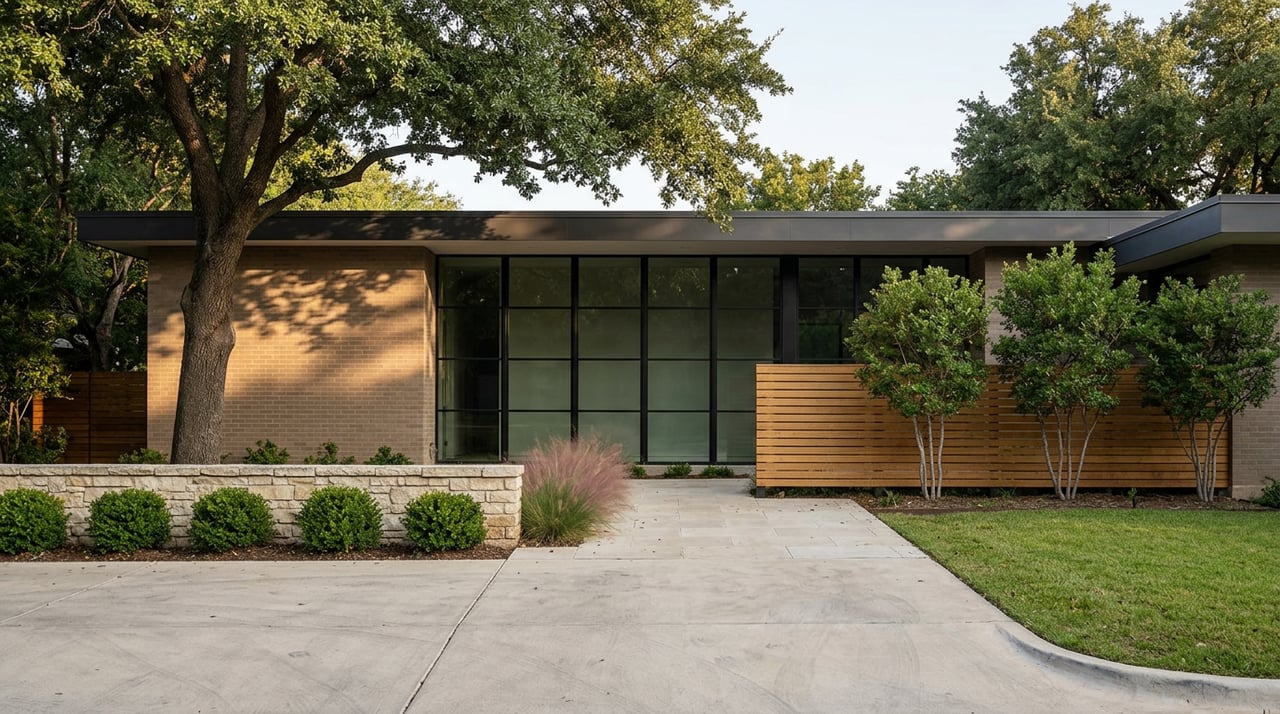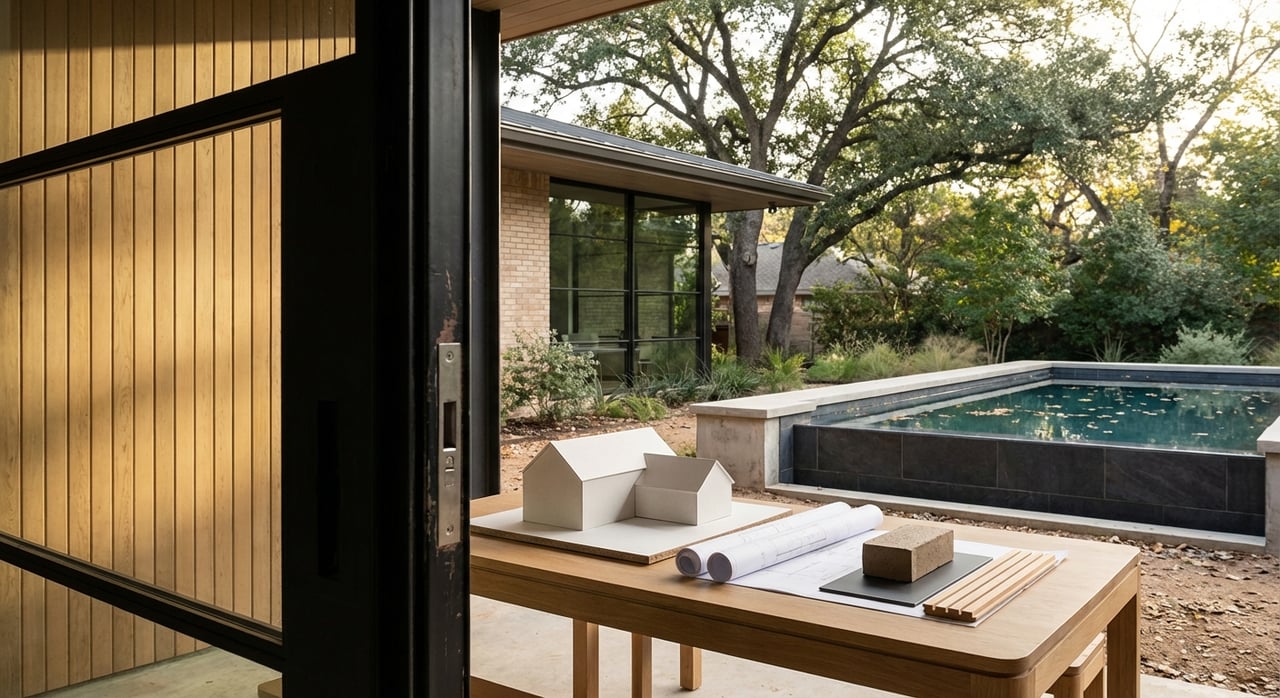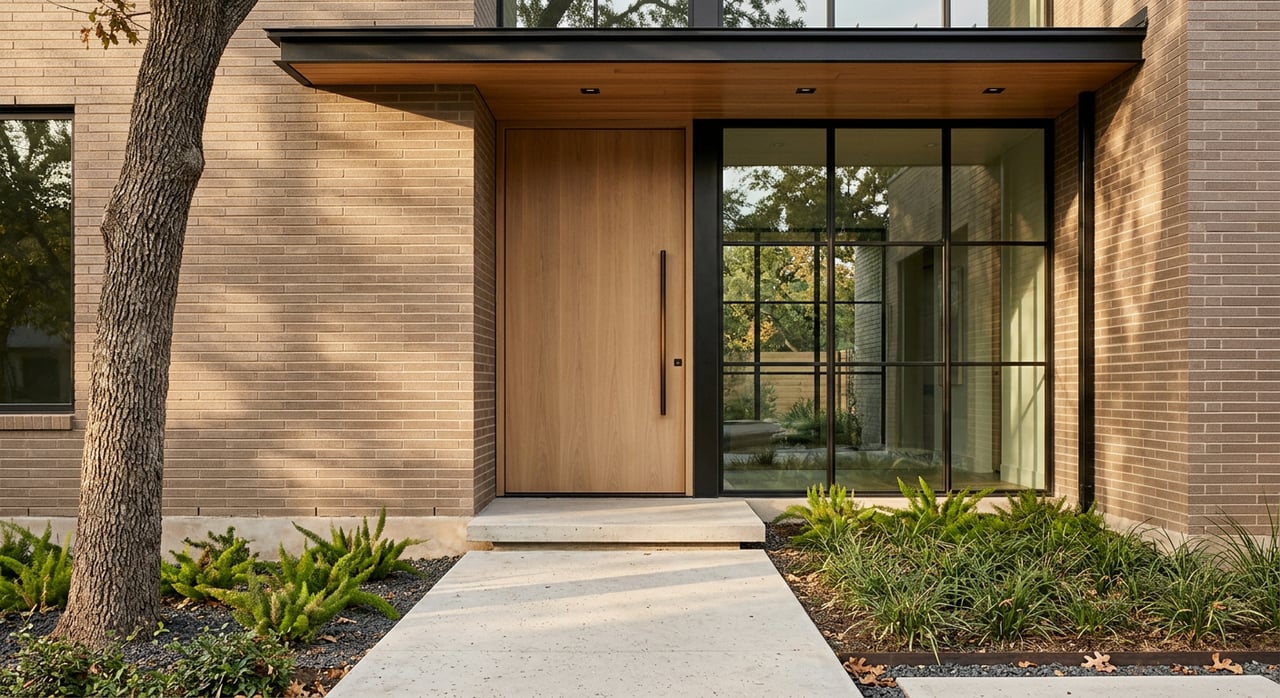
Thinking about selling your Bryker Woods home in the next year? In a small, central Austin pocket with a mix of 1930s–1950s bungalows and new builds, the right timing, pricing, and presentation can add real dollars to your bottom line. You want a clear plan that fits your block, your home’s condition, and the season. In this guide, you’ll learn how to pick your moment, read comps the right way, and focus on improvements that pay off in Bryker Woods. Let’s dive in.
Bryker Woods at a glance
Bryker Woods sits in Old West Austin and is known for its mature trees, classic architecture, and engaged neighbors. To learn more about community context and events, visit the active neighborhood association at the Bryker Woods Neighborhood site.
Because the neighborhood is small, monthly price snapshots can swing a lot when only one or two homes sell. That means a single luxury closing can skew medians. Use neighborhood medians only as broad context and rely on an MLS-based CMA for your specific price range.
For macro timing, the Austin market often sees spring momentum. The MLS’s recent report showed rising pending sales heading into the season, a helpful sign for sellers across Central Texas. You can track monthly trends in the Unlock MLS housing report.
Pick your timing
- Spring is typically the most active season, and recent MLS data shows new energy leading into it. If you plan to list then, aim to be market-ready 2–6 weeks before the local peak.
- That said, a well-priced, well-presented Bryker Woods home can attract buyers year-round thanks to the central location.
- Build your schedule backward from your ideal list date to fit paint, light repairs, staging, and photography without rushing.
Price with precision, not averages
In a low-volume micro-market, precision matters. Price from an MLS-based comparative market analysis (CMA), not a single portal snapshot. Ask your agent to:
- Focus on the most recent 3–6 months of closed sales near your home.
- Add very recent pendings and select actives to gauge buyer demand.
- Expand the search radius slightly only if sales are thin, then adjust conservatively for location and lot premium.
How to read Bryker Woods comps
When you review comps with your agent, segment them so you compare apples to apples:
- Original homes in turnkey condition.
- Renovated homes with permitted updates.
- New construction on older lots.
Each group attracts different buyers and price multipliers. Key adjustments to expect in a CMA:
- Gross living area and price per square foot.
- Lot size and premiums, including proximity to Shoal Creek, parks, or main corridors.
- Condition level and quality of renovations.
- Permitted additions, garage or pool, and outdoor living value.
- Presence of new construction on the block, which can set a top-of-market reference.
Aim to bracket your value range with three closed comps: one lower-end, one most comparable, and one upper-end. Then cross-check against very recent pendings for confirmation.
Present to win: improvements that pay
A clear prep plan keeps you on budget and on schedule. Work from the highest-impact, fastest-return items first.
- Safety and lender-blocking items
- Fix anything that could derail a loan or insurance approval, such as roof leaks, electrical hazards, or active plumbing issues. A seller’s pre-listing inspection helps you spot these early. Learn what pre-listing inspections cover at InterNACHI’s overview.
- Curb appeal and first impressions
- Exterior touch-ups often deliver some of the strongest dollar-for-dollar returns. Entry and garage door upgrades and exterior refreshes have consistently ranked high for resale value in the national Cost vs Value study. See highlights in the 2023 Cost vs Value report.
- Photo-ready interior refresh
- Neutral paint, decluttering, updated lighting, deep cleaning, and staging of key rooms. Industry research shows staging helps buyers visualize the space and often speeds sales. Explore the data in the NAR Profile of Home Staging.
- Floors and light kitchen/bath updates
- Replace or refinish worn flooring in main living areas. Consider cabinet paint, hardware swaps, and modest bath cosmetics. Midrange projects, done thoughtfully, tend to be more resale-friendly than full guts. Review national recapture trends in the Cost vs Value report.
- Major remodels and structural work
- Large additions, full kitchen rebuilds, or foundation projects carry longer timelines and added permitting. In historically sensitive areas of Old West Austin, exterior changes may require review. If your plan touches exteriors or possible historic elements, consult the City’s guidance early. See the City’s historic preservation forms and resources here.
Austin cost and timing snapshots
Budgets vary by square footage, scope, and finish level. These local ballparks can help you set expectations and plan your calendar.
- Interior whole-house paint for a typical central Austin bungalow: about $4,000–$8,000, 1–2 weeks. See Austin estimates at HomeYou’s paint cost guide.
- Staging: from around $2,000 for light styling to $8,000–$12,000 for larger or vacant homes, 1–2 weeks to schedule and install. NAR’s research connects staging to faster sales and stronger buyer interest. Review the NAR staging insights.
- Flooring: LVP installed roughly $3–$8 per square foot; hardwood refinish about $3–$6 per square foot, 1–2 weeks for typical main-area scopes. See a breakdown in this LVP cost estimator.
- Photography and media: plan $300–$800 for pro photos, floor plans, and a virtual tour; schedule 1–3 days. Industry data show pro images drive more online views. See stats in this photography performance summary.
Funding pre-sale work with a concierge-style program
If you want the benefits of a refreshed listing without paying all costs upfront, a concierge-style program can front approved improvement expenses and be repaid at closing. Typical eligible items include paint, flooring, light kitchen and bath cosmetics, landscaping, staging, and select repairs. Timelines for small refreshes often run 1–3 weeks, while moderate scopes may take 3–8 weeks. Work that requires permits or historic review can add weeks or months and may fall outside a quick-turn scope.
Here’s a simple way to model net proceeds with and without a funded refresh:
- Step 1: Estimate your as-is sale price from a current CMA.
- Step 2: Build a refresh budget for high-impact items only.
- Step 3: Estimate a refreshed sale price using close-in comps with similar updates.
- Step 4: Compare outcomes.
- Net as-is: projected as-is sale price minus standard closing costs.
- Net refreshed: projected refreshed sale price minus improvement costs and standard closing costs.
- Step 5: If Net refreshed is higher by a meaningful margin and timelines fit your target list date, green-light the plan.
Your agent should document the scope, schedule, and vendor plan so the home is 100 percent market-ready when buyer activity peaks.
Your 6–18 month roadmap
6–18 months out: plan and position
- Interview agents with deep Bryker Woods experience and request an MLS-based CMA tailored to your block and home type.
- Order a pre-listing inspection to surface lender or insurer red flags early. Consider add-ons like wood-destroying organism, sewer lateral, or crawlspace checks if applicable. Learn more at InterNACHI’s listing inspection FAQ.
- If you are considering exterior changes or larger scopes, review the City’s historic resources and consult early about any approvals. Start here with the City’s historic preservation materials.
3–8 weeks out: execute the plan
- Finalize your refresh list: paint, floors, light kitchen or bath updates, landscaping, and staging. Build in a buffer for contractor schedules.
- Complete permitted repairs first and organize receipts, warranties, and any sign-offs to share with buyers.
- Schedule staging, professional photography, floor plans, and a virtual tour the week before going live. A twilight exterior shot can highlight curb appeal.
Listing launch and first 2–3 weeks: set the tone
- Price to capture early momentum while reflecting your improved condition and the most recent comps.
- Track showing feedback and watch nearby actives and pendings. Be ready to fine-tune price or terms if the market signals a better fit.
Contract to close: keep it smooth
- Provide all invoices and permit documents during escrow to support buyer confidence and appraisal.
- If you used a concierge-style advance, confirm repayment on the closing statement and review net proceeds with the closing officer.
Bryker Woods seller tips
- Segment your buyer: some shoppers want original charm with thoughtful updates, while others chase new construction. Position your presentation and pricing to fit the right lane.
- Keep it neutral: paint, lighting, and staging should broaden appeal and photograph beautifully.
- Tell a complete story: floor plan, upgrades list, warranties, and a clean inspection narrative help buyers move quickly with confidence.
Ready to map your sale from plan to closing? Schedule a Private Consultation with Lander Peerman to review your block’s comps, your home’s best improvements, and a tailored launch plan.
FAQs
Is staging worth it for a Bryker Woods sale?
- NAR’s research shows staging helps buyers visualize a property and can shorten time on market. Prioritize the living room, kitchen, and primary bedroom, and review the NAR staging insights with your agent.
What is the best time of year to list in central Austin?
- Spring is typically the most active, and recent MLS data showed rising pending sales heading into the season. Track monthly momentum in the Unlock MLS housing report and plan to be listing-ready a few weeks ahead.
Should I fully gut my kitchen before selling?
- Often no. The national Cost vs Value study finds many midrange, targeted projects recoup a higher share than full guts. Consider light cabinet work, counters, and hardware guided by the Cost vs Value report.
How do small-sample medians affect pricing in Bryker Woods?
- With only a few monthly sales, one high or low closing can skew the median. Use those snapshots for context but rely on an MLS-based CMA that adjusts for your home’s size, lot, condition, and renovation level.
Can I use a concierge-style program to fund pre-sale work?
- Yes. Many sellers front eligible cosmetic improvements and repay at closing. Model the math: projected refreshed price minus improvement costs versus as-is net. Keep scopes light and confirm whether any permit or historic items fit the timeline.
What pre-listing inspections should I consider as a seller?
- A general pre-listing inspection is a smart start. Depending on your property, consider wood-destroying organism, sewer lateral, and crawlspace checks. See overview guidance at InterNACHI.