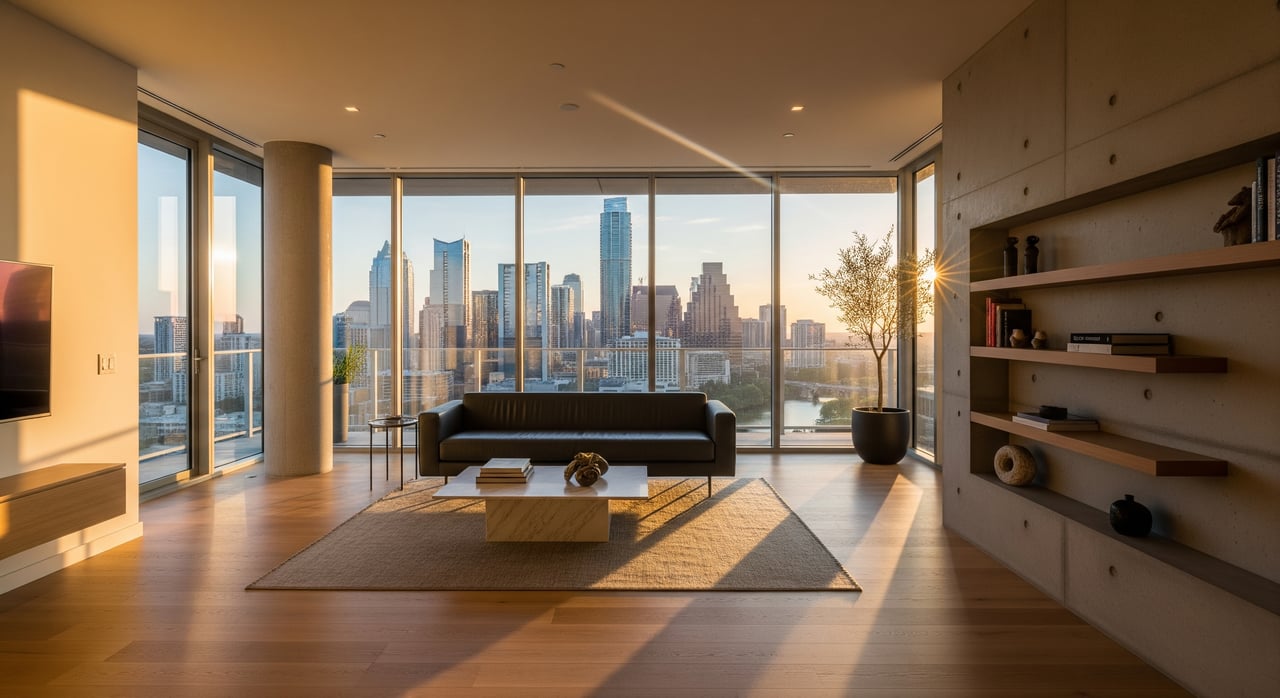
Choosing between a sleek high-rise, a character-filled loft, or a boutique condo in Downtown Austin can feel like comparing apples, oranges, and something in between. You want the right mix of style, convenience, and long-term value, but every building type lives differently. In this guide, you’ll get a clear, side-by-side look at how each option performs on noise, amenities, HOA costs, layouts, parking, and resale. Let’s dive in.
Building types in Downtown Austin
High-rise towers
High-rises are purpose-built residential towers with stacked units, concrete or concrete-steel slab construction, elevators, and centralized systems. You usually get a staffed lobby and a robust amenity package. Concrete slab construction often delivers stronger sound separation between floors. Daily life tends to be convenient and service-forward, with more on-site support.
Boutique mid-rise buildings
Boutique buildings are typically 4 to 12 stories with fewer homes per floor. Amenities are more restrained, and the feel is intimate and residential. Construction can vary, from concrete to wood or steel. Expect lower staffing levels and potentially lower baseline HOA dues compared to full-service towers.
True lofts in converted buildings
True lofts come from adaptive reuse of older industrial or commercial structures. Think exposed beams, high ceilings, large windows, and open floorplates. Character is the draw, but sound separation and mechanical systems can be more variable. Older conversions may require more maintenance and careful review of reserves.
Soft lofts in newer builds
Soft lofts mimic the loft look in new construction. You get higher ceilings and some exposed elements, but with modern finishes and more traditional condo layouts. These often live easier than true lofts while still offering a design-forward vibe.
Mixed-use residences
Many downtown properties sit above retail, restaurants, or hotel components. This boosts convenience and walkability. Be sure to confirm which amenities are exclusive to residents and what access looks like when retail is open. Shared circulation and loading can affect privacy and noise.
Floor plans and livability
Common unit types
- Studios and alcove studios: compact and efficient, popular with single buyers and investors.
- One-bed and one-bed plus den: the most common entry point, with a useful work zone.
- Two-bed and larger: better for flexibility and resale, especially with two baths.
- Loft layouts: open plans and mezzanine bedrooms offer volume but less privacy.
- Townhome-style or stacked flats: multi-level living inside a condo building is rare but available.
Layout details that matter
- Orientation and views: skyline, lake, or park views trade off with sun exposure and potential street noise. Higher floors often reduce street noise but mean longer elevator rides.
- Storage: many downtown units prioritize living space over closets. Ask about deeded storage lockers and their dimensions.
- Kitchen and mechanicals: open kitchens are common. Check where the HVAC and laundry sit and how they sound in daily use.
- Ceiling height and comfort: loft-like ceilings feel dramatic yet can impact heating and cooling loads. Furniture planning matters in taller spaces.
- Flex space vs bedrooms: a den is not always a legal bedroom. This can affect financing and resale, so confirm definitions in building documents.
Amenities and HOA costs
What to expect by building type
- High-rises: concierge, staffed lobby, fitness center, pool, clubroom, business spaces, rooftop decks, package rooms, bicycle storage, and secure parking are common.
- Boutique buildings: scaled-down gyms or lounges, fewer staff, and simpler services.
- Lofts and conversions: fewer modern amenities, with attention on character and shared terraces or roof decks.
- Mixed-use: some access may be shared with hotel or retail. Clarify resident-only spaces.
How HOA fees typically work
Monthly dues usually cover common area maintenance, building insurance, reserves, utilities for common spaces, elevators, landscaping, security, staff wages, pool and trash services, and management fees. Utility inclusion varies. Many buildings include water and trash, while electricity or gas is often on the owner. Older conversions may carry lower reserves and higher assessment risk. Newer towers often have stronger reserves but higher baseline dues due to staffing and services.
Service levels and your budget
On-site management speeds response times. Concierge and valet increase dues but elevate convenience. Centralized building systems can shift maintenance responsibility away from owners, while in-unit systems may mean lower dues but more owner upkeep.
Parking, storage, and daily logistics
Parking models you will see
- Deeded or assigned garage spaces: best for guaranteed parking. Confirm whether the space is deeded to the unit or a limited common element.
- Tandem parking: space-efficient for two cars but less convenient day-to-day.
- Valet or mechanical stacks: saves space yet may slow exit and entry.
- Guest parking: often limited and sometimes requires permits or fees.
- Street parking: scarce and regulated downtown. Plan to rely on your building’s garage.
Storage, bikes, and deliveries
Many buildings offer small storage lockers. Confirm size and whether the locker is deeded or reassignable. Bike storage ranges from simple racks to secure rooms with repair stations. Dedicated package rooms or staffed lobbies reduce theft risk and streamline deliveries.
Moving day realities
Towers commonly require elevator reservations and deposits for moves. Loading zones are tight in the central business district. Coordinate timing with building management and plan for truck access well in advance.
Noise and location realities
Where noise comes from
Nightlife zones like Sixth Street, West 6th, Rainey Street, and parts of Red River and Second Street are lively, especially on weekends. Citywide events such as SXSW and race weekends amplify activity, traffic, and visitor volume. Ongoing construction downtown is normal and can last months or years.
Building performance and exposure
Concrete slab high-rises generally offer stronger sound isolation between floors. Older or wood and steel framed structures may transmit more footsteps or bass. Window quality and unit orientation matter. Double-pane glazing helps, while floor-to-ceiling glass can vary in performance.
Practical ways to mitigate
- Review any sound standards in the condo rules and recent noise-related complaints.
- Choose higher floors or courtyard-facing units near nightlife corridors.
- Inspect HVAC operation and listen for mechanical hums.
- Consider soft finishes like rugs and door seals. Structural upgrades may require approval.
Rules, rentals, and insurance basics
What governs your building
Texas condominiums operate under the Texas Property Code and the building’s own declaration, bylaws, and rules. Review the budget, reserve study, insurance summary, and recent meeting minutes to understand financial health and planned projects.
Short-term rental reality
Austin regulates short-term rentals, and many HOAs add stricter rules or outright bans. If renting is part of your plan, verify both city requirements and the building’s rental policy before you buy.
Insurance to carry
The building’s master policy typically covers common elements. You will likely need an HO-6 policy for interior finishes, personal property, and certain assessments. Confirm master policy deductibles and where coverage starts and stops.
Resale and financing considerations
What drives value downtown
Floor level, view corridors, deeded parking, rental policies, and HOA financial health are key drivers of resale. Mixed-use exposure, noise environment, and storage can also influence demand and days on market. Inventory and pricing in the urban core can swing with new supply and broader market cycles.
Financing unique layouts
Some lenders scrutinize nonstandard plans such as mezzanine lofts or older conversions. Engage a mortgage advisor early if you are considering a true loft or mixed-use project. Clarify bedroom definitions and HOA percentages of owner occupancy if required.
How to choose: a quick decision guide
- Start with lifestyle: decide if you value full-service amenities or a quieter, boutique feel.
- Map your noise tolerance: visit during weekend evenings in Rainey, Sixth Street, or Red River if proximity appeals to you.
- Prioritize layout: confirm whether a den meets your needs or if a true second bedroom is essential.
- Verify parking and storage: make sure any space is deeded and fits your vehicle, and confirm locker size.
- Read the documents: review the declaration, bylaws, rules, budget, reserves, minutes, insurance summary, and any special assessments.
- Think ahead on resale: aim for two baths in two-bedroom homes, desirable views, and strong HOA reserves.
Work with a local advisor
Choosing between a tower, boutique building, or loft is not just about style. It is about sound, services, rules, and long-term value. A knowledgeable advisor helps you evaluate construction quality, compare HOA budgets, review rental and pet policies, and assess noise and logistics by floor and orientation. If you want expert, design-forward guidance on the right downtown fit, connect with Lander Peerman for a private consultation.
FAQs
What is the main difference between a high-rise and a boutique condo in Downtown Austin?
- High-rises offer more amenities and on-site staff with stronger sound separation from concrete construction, while boutique buildings are smaller with fewer services and potentially lower dues.
Are true lofts in Downtown Austin noisier than standard condos?
- Often yes. Older or wood and steel framed conversions can transmit more sound than concrete towers, so confirm construction type and test noise at peak hours.
Do most downtown condo HOAs include utilities in monthly dues?
- It varies. Many include water and trash but not electricity or gas. Always verify what your dues cover before you buy.
How can I confirm if parking is guaranteed with a downtown unit?
- Look for a deeded space or limited common element assigned to your unit. Review the deed language and building rules for reassignment policies.
What should I know about short-term rentals in Downtown Austin condos?
- The city regulates short-term rentals and many HOAs further restrict or prohibit them. Check both city requirements and the building’s rental policy.
What documents should I review before purchasing a condo downtown?
- Obtain the declaration, bylaws, rules, current budget, reserve study, minutes for the last year, insurance summary, recent assessments, and pet and guest parking policies.
Are there financing challenges with loft or mixed-use buildings?
- Some lenders apply stricter underwriting to nonstandard layouts or older conversions. Speak with a lender early to confirm eligibility and requirements.